
Why do so many people switch to tankless? Mostly three things: a supply that does not run dry, lower standby energy use, and space. A tankless heater stays idle until you open a tap, then fires a high-output burner or electric element to heat water as it flows. With no stored water to keep warm, it wastes less energy between uses, and with regular descaling it can last twenty years or more. It is not magic, though. Performance depends entirely on sizing and installation, which is where our attention goes on every Parma, OH install.
Undersizing is the number one tankless mistake we see. A unit rated for plenty of flow on a spring day can struggle in winter, when incoming water is much colder and the heater has to raise it many more degrees. So we size for your coldest months and your busiest moments, measuring demand in gallons per minute. We also confirm the gas line and meter can feed a burner that may be rated near 199,000 BTU, choose the correct venting for condensing or non-condensing equipment, and plan a condensate drain with a neutralizer where needed. For electric tankless, we check the panel first, because these units draw serious amperage.
We install every tankless unit with its future maintenance in mind. That means isolation valves for descaling, a gas line with a sediment trap sized for the burner's full demand, venting that meets the manufacturer's rules for length and termination, and a condensate line with a neutralizer on condensing models. Where water hardness is high, we explain scale protection options before the unit goes on the wall. Optional recirculation can shorten the wait at distant fixtures. We handle permits where required, test the unit at full flow, and show you how it works. Homeowners in Parma can call (440) 202-7215 for a demand assessment and a clear quote.
Our most requested service is Water Heater Installation in Parma. Either is a good place to start.
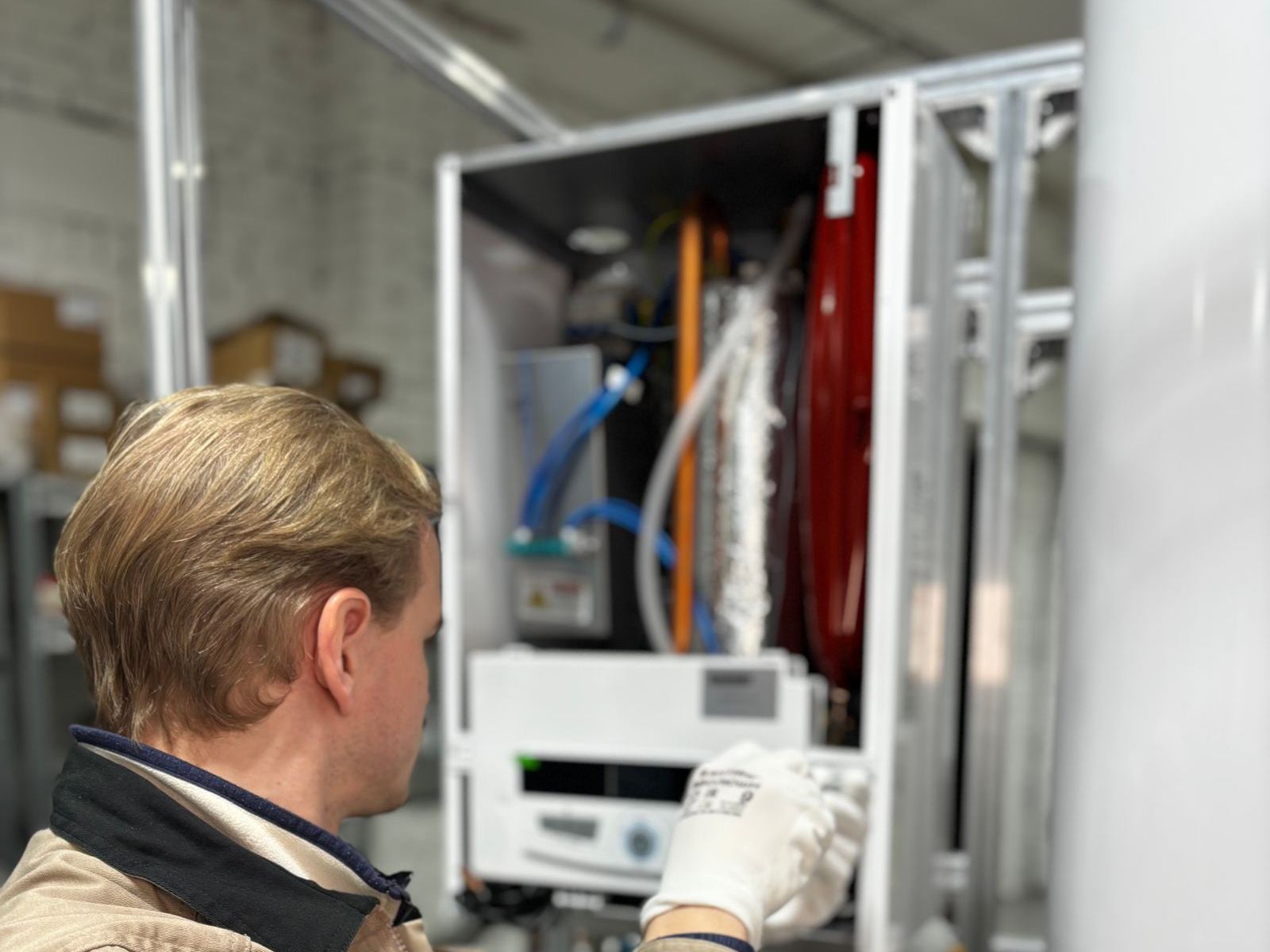
Warning Signs to Watch For
Recognizing the warning signs early can save you money and keep a slow drip from turning into a flooded utility room. Here are the most common indicators that it's time to call a professional:
- A tank water heater that is ten years old or more and due for replacement
- A tank that cannot keep up with your household's morning routine
- Renovation work that makes gas line and vent changes easier to fit in
- Standby losses on a tank that sits idle for long stretches
- An addition or guest suite that is a long run from the main heater
- Adding a bathroom, soaking tub, or larger shower that needs more hot water
- A remodel that would benefit from a compact wall-mounted heater
- Preferring a heater that can be repaired and maintained instead of replaced every decade
A Slow Leak Never Stays Slow
Left alone, even minor symptoms like rumbling or temperatures that swing from hot to warm tend to mean the heater is working its way toward a breakdown. Don't wait. Get Parma Water Heater on the phone at (440) 202-7215 and we'll get a technician scheduled.
Water Heater Trouble? Call Us.
We'll diagnose the problem and give you a straight answer on the fix.
Call (440) 202-7215 NowFrequently Asked Questions About Tankless Water Heater Installation
What a Trained Technician Brings to the Job
Why not install a tankless unit yourself? Because the risks and the details stack up quickly. A burner that can draw nearly 199,000 BTU needs properly sized gas piping, and leaks or undersized lines are both dangerous and costly. Venting has to match the unit exactly, with the right material, slope, and termination clearances, or combustion gases can end up where they do not belong. Electric units can overwhelm an older electrical panel, and warranty terms often depend on a qualified installation. Permits and inspections are common requirements as well.
Done professionally, a tankless system performs well and stays safe. We start with a real demand assessment, confirm the gas and electrical supply, and design venting that meets the manufacturer's requirements. The install includes service valves, a sediment trap, a correctly routed relief valve line, and a neutralized condensate drain where needed, followed by a full-flow test. Just as important, we tell you plainly if a tank, hybrid, or smaller point-of-use unit would serve you better. The goal is the right water heater, not just a tankless sale.
Our Tankless Water Heater Installation Process
We follow the same careful process on every water heater, whether it's a quick thermostat swap or a full tankless conversion. Here's a look at each step our team takes:
Size It Right
Sizing starts with your peak demand in GPM and the temperature rise needed for cold incoming water. That pairing tells us which unit will actually keep up.
Gas, Venting & Power Check
We confirm the gas line and meter can feed the burner's full BTU demand, plan the right venting, and check the panel for electric units before any price is set.
Clean, Code-Minded Installation
Every connection follows the manual and local code: gas, venting, relief valve discharge, condensate, and isolation valves for future maintenance, with permits handled where required.
Full-Flow Testing & Walkthrough
Before we leave, the heater runs with multiple fixtures open while we verify gas pressure, venting, and outlet temperature, then we cover maintenance and settings.
Prevention Tips That Actually Help
A little routine care goes a long way toward keeping a water heater running well past its expected lifespan. Put these technician-approved steps to work at home:
- Consider a water softener or scale-prevention filter if your water is hard
- Keep the inlet screen clear so flow stays strong and the unit fires reliably
- A setting near 120F limits scalding and reduces scale formation
- Plan on yearly descaling through the service valves, sooner if your water is hard
- In freezing weather, keep the unit powered and insulate exposed piping
- Pay attention to error codes; they point to issues that are cheaper to fix early
- Check the vent cap outside for nests, debris, or buildup
Comparing DIY and Professional Work
The line between a safe DIY check and a risky repair is usually the moment you need to open a gas fitting, a vent connection, or an electrical cover. Consider the following comparison:
| Consideration | Doing It Yourself | Hiring a Pro |
|---|---|---|
| Sizing | Guessed from the old tank size | Sized by GPM and winter temperature rise |
| Gas Supply | No check of meter or pressure | Piping sized to the burner |
| Venting | Old flue reused or wrong vent material | Condensing or stainless venting done properly |
| Power Needs | Panel capacity not checked for electric units | Panel and circuits confirmed before install |
| Maintenance Access | Service access ignored | Scale protection discussed up front |
| Outcome | Lukewarm water and error codes | Safe, inspected, and working as designed |
Book a Visit Today
Cold showers and damp floors don't get better on their own. Parma Water Heater can have a technician headed your way soon.
Get Help: (440) 202-7215Where We Provide Tankless Water Heater Installation
We bring tankless water heater installation to homes and businesses in town and across the nearby communities. Pick your area to see local details.